Discovering Corigliano-Rossano Calabria: The Ultimate Travel Guide
Nestled between the sparkling waters of the Ionian Sea and the rugged peaks of the Sila mountains, the vibrant municipality of Corigliano-Rossano represents one of the most fascinating destinations in southern Italy. Officially formed in 2018 from the merger of two historically rich neighboring towns, this expansive city is now the third-largest in the region. Planning a holiday in Calabria often leads travelers to the renowned western coast, but those who venture east to the Ionian shores are rewarded with unparalleled authenticity, deep-rooted history, and breathtaking landscapes.
Whether you are a history enthusiast eager to explore Byzantine treasures, a nature lover looking to hike through ancient forests, or a foodie ready to indulge in the world's best licorice and citrus fruits, this area offers a diverse and enriching experience. This comprehensive guide will walk you through everything you need to know to plan the perfect trip to this dual-souled city, ensuring you uncover every hidden gem it has to offer.
Why Visit Corigliano-Rossano: History, Atmosphere, and Character
The true charm of Corigliano-Rossano lies in its unique dual character. For centuries, Corigliano Calabro and Rossano existed as separate entities, each developing its own distinct cultural, architectural, and historical identity. Rossano is widely celebrated as the "Ravenna of the South" due to its profound Byzantine heritage. Walking through its historic center, you can feel the spiritual and intellectual weight of a city that was once a major stronghold of the Eastern Roman Empire in Italy. Its aristocratic palaces and ancient churches speak volumes of a prosperous past.
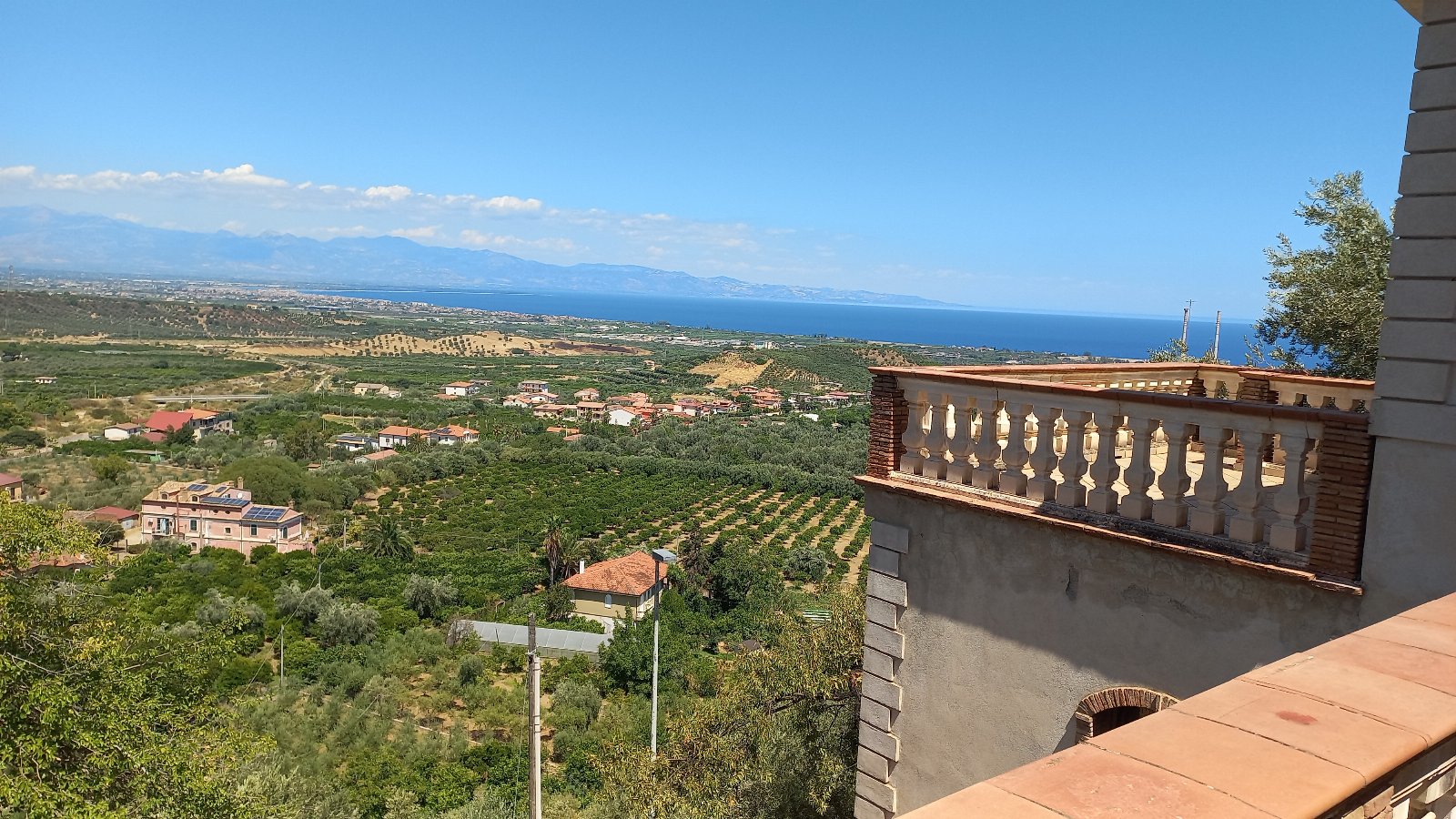
Corigliano, on the other hand, boasts a more martial and feudal history, dominated by Norman, Swabian, and Aragonese influences. Its skyline is defined by an imposing hilltop castle that watches over a labyrinth of narrow, winding alleys. The atmosphere here is steeped in medieval mystery, with steep staircases and sudden, sweeping views of the coastal plain below. Together, these two centers create a captivating contrast that keeps visitors endlessly engaged.
Beyond the architecture, the atmosphere of Corigliano-Rossano is defined by authentic southern Italian hospitality. Unlike the heavily commercialized tourist traps found in other parts of the Mediterranean, this city retains a genuine, lived-in feel. The locals are fiercely proud of their heritage, and the rhythm of life here is dictated by the changing seasons, the agricultural harvests, and the daily return of the fishing fleets. It is a place where you can truly slow down and immerse yourself in the Calabrian way of life.
What to See in Corigliano-Rossano: Top Attractions and Hidden Gems
Because the city spans two ancient historic centers, a coastal strip, and a mountainous inland, the variety of attractions is staggering. Here are the absolute must-see landmarks that should anchor your itinerary.
The Ducal Castle of Corigliano
Dominating the hilltop of the Corigliano historic center, the Ducal Castle is widely considered one of the most beautiful and best-preserved fortresses in southern Italy. Originally built as a military stronghold by the Norman king Robert Guiscard in the 11th century, it was later transformed into a lavish noble residence. Visitors can explore the stunning Hall of Mirrors, adorned with Bohemian crystal chandeliers and intricate frescoes, as well as the historic kitchens, the dungeons, and the dizzying spiral staircase. The panoramic views from the castle's towers, stretching across the Sibari plain to the sea, are simply unforgettable.
The Diocesan Museum and the Codex Purpureus Rossanensis
Located in the heart of Rossano, the Diocesan Museum houses one of the most precious artifacts in all of Italy: the Codex Purpureus Rossanensis. Recognized by UNESCO as a Memory of the World, this 6th-century illuminated Greek Gospel book is a masterpiece of Byzantine art. It is written in silver and gold ink on parchment dyed a deep purple. The museum provides an excellent multimedia exhibition that explains the historical context, the meticulous restoration process, and the theological significance of the manuscript's stunning miniatures.
The Cathedral of Maria Santissima Achiropita
Just a short walk from the Diocesan Museum stands the Cathedral of Rossano, dedicated to the Madonna Achiropita. The term "Achiropita" translates to "not made by human hands," referring to a miraculous 8th-century fresco of the Virgin Mary found inside the church. According to legend, the image appeared overnight on a column while the church was being built. The cathedral itself is a fascinating blend of architectural styles, featuring a majestic portal and a beautifully decorated nave that reflects centuries of religious devotion.
The Amarelli Licorice Museum
No trip to the area is complete without visiting the Giorgio Amarelli Licorice Museum. The Amarelli family has been producing world-renowned licorice on this very site since 1731. Housed in a historic 15th-century residence, the museum—which is the second most visited corporate museum in Italy—takes you through the fascinating history of licorice extraction and processing. You will see antique machinery, vintage packaging, and historical documents, culminating in a visit to the factory shop where you can taste the intense, pure flavor of Calabrian "black gold."
Beaches and Nature Around Corigliano-Rossano
The natural environment surrounding Corigliano-Rossano is a study in spectacular contrasts. To the east lies the Ionian Sea, characterized by long, expansive beaches and crystal-clear waters. The coastal districts of Schiavonea (in Corigliano) and Lido Sant'Angelo (in Rossano) are the hubs of summer activity. Schiavonea is particularly notable for its active fishing port and its wide, sandy shores mixed with fine pebbles. The waterfront promenades are lined with palm trees, gelaterias, and beach clubs, making it a perfect destination for families and sun-seekers.
Turning your back to the sea, the landscape rises dramatically into the Sila Greca, the northeastern edge of the Sila National Park. This mountainous terrain is a paradise for hikers, mountain bikers, and nature photographers. The air grows crisp and cool as you ascend into dense forests of chestnut, oak, and Calabrian pine. One of the most remarkable natural sites is the Cozzo del Pesco oasis, home to monumental chestnut trees that are centuries old, some with trunks so massive it takes several people to encircle them.
Additionally, the WWF Oasis of Valle del Trionto offers a pristine environment for birdwatching and ecological walks. This protected area highlights the region's rich biodiversity, serving as a vital corridor for local wildlife moving between the high mountains and the river valleys. The juxtaposition of alpine-like forests just a short drive from Mediterranean beaches is one of the most compelling reasons to explore this territory.
Cuisine and Traditions of Corigliano-Rossano
The culinary traditions of Corigliano-Rossano are a delicious reflection of its geography, blending the hearty, robust flavors of the mountains with the fresh, delicate tastes of the sea. The local diet is deeply rooted in the Mediterranean tradition, heavily relying on high-quality olive oil, much of which is pressed from the indigenous "Dolce di Rossano" olive variety. This oil is characterized by its sweet, mild flavor and low acidity, making it perfect for dressing fresh vegetables and seafood.
When dining in the historic centers, you must try traditional pasta dishes such as maccarruni a ferretto served with rich pork ragù, or lagane e cicciari, a rustic dish of wide, flat pasta and chickpeas. Down on the coast in Schiavonea, the focus shifts entirely to the daily catch. Local seafood trattorias serve incredible platters of fried calamari, grilled swordfish, and pasta with fresh clams or sea urchins, always accompanied by excellent local white wines.
The area is also famous for its exceptional agricultural products. Beyond the aforementioned Amarelli licorice—which finds its way into local liqueurs, gelatos, and even savory meat glazes—the region is the undisputed capital of the Clementines of Calabria PGI. These seedless, incredibly sweet citrus fruits thrive in the microclimate of the Sibari plain. During the winter months, the scent of citrus blossoms and ripe fruit fills the air, and local bakeries produce delectable clementine marmalades and pastries.
Where to Sleep in Corigliano-Rossano
Choosing the right place to stay in Corigliano-Rossano depends entirely on the type of experience you are seeking. If you want to immerse yourself in history, culture, and romantic evening strolls, booking a boutique bed and breakfast in the historic center of either Rossano or Corigliano is ideal. Here, you will wake up to the sound of church bells and the smell of freshly baked pastries, with museums and castles right on your doorstep.
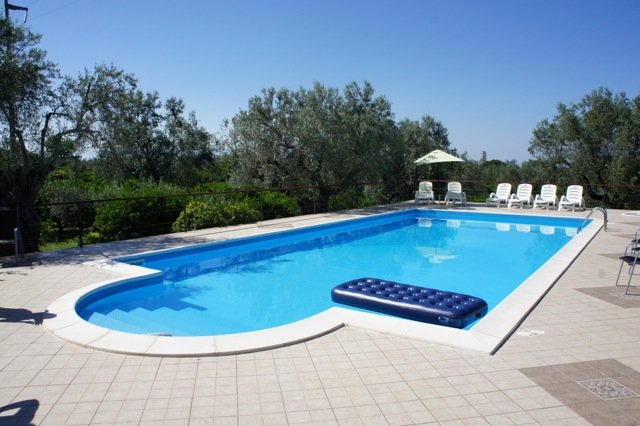
For those visiting primarily for a beach holiday, the coastal areas of Schiavonea and Lido Sant'Angelo offer numerous seaside hotels, resorts, and modern apartments. These locations provide easy access to the beach clubs, seafood restaurants, and vibrant summer nightlife. Alternatively, if you prefer tranquility and nature, the surrounding countryside is dotted with beautifully restored masserie (farmhouses) offering agritourism experiences, complete with swimming pools and farm-to-table dining.
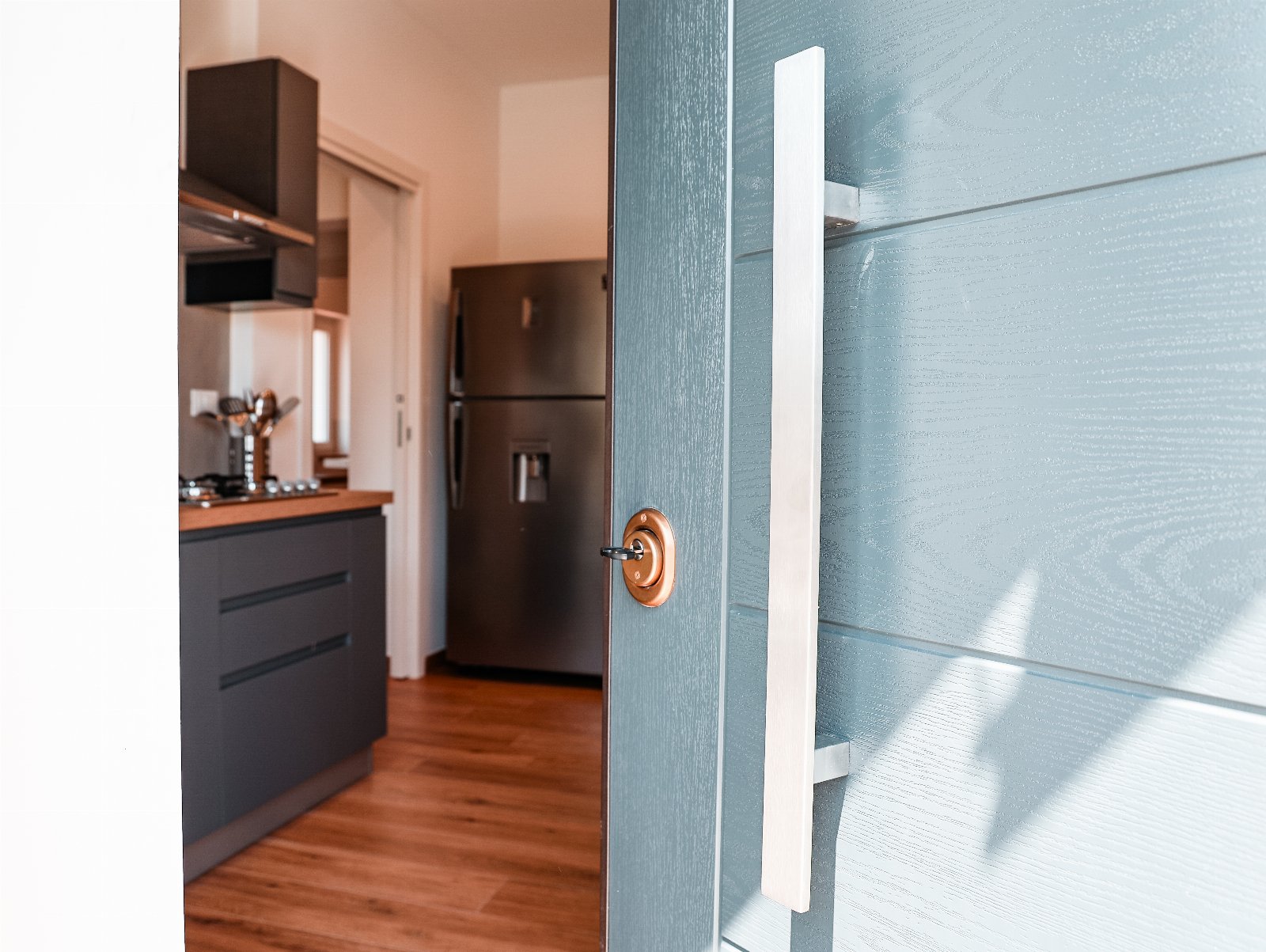
In Corigliano-Rossano there are 3 selected accommodations available. Discover accommodations in Corigliano-Rossano.
How to Get There and Get Around
Reaching Corigliano-Rossano is relatively straightforward, though it requires a bit of planning. The nearest major airport is Lamezia Terme International Airport, located about a 90-minute drive away. From the airport, renting a car is highly recommended. You can reach the city by taking the A2 Mediterranean Highway north, exiting at Sibari, and following the SS106 Jonica highway southward directly into the municipality.
If you prefer public transportation, the city is served by the national railway network. Intercity and regional trains run along the Ionian coast, stopping at both the Corigliano Calabro and Rossano stations. Additionally, several long-distance bus companies, including Flixbus, offer direct routes connecting the city to major Italian hubs like Rome, Naples, and Milan.
Once you arrive, having a personal vehicle is by far the best way to get around. Because the municipality is so vast—stretching from the high mountains down to the sea—relying solely on local public buses can be restrictive. A car allows you the freedom to visit the mountain trails in the morning, explore the historic centers in the afternoon, and easily return to the best apartments and B&Bs in the area by nightfall.
When to Go: Climate, Seasons, and Events
The climate in Corigliano-Rossano is typically Mediterranean along the coast, featuring hot, dry summers and mild, relatively rainy winters. As you move inland and upward into the hills and the Sila mountains, temperatures drop significantly, providing a refreshing escape from the summer heat.
The peak tourist season is undoubtedly July and August, when the coastal areas come alive with vacationers, beach parties, and outdoor concerts. However, if you want to avoid the crowds and experience the city at a more relaxed pace, the shoulder seasons of spring (May and June) and early autumn (September and October) are absolutely perfect. During these months, the sea is still warm enough for swimming, and the mild weather is ideal for hiking and exploring the steep alleys of the historic centers.
Timing your visit to coincide with local events can also elevate your experience. In mid-August, Rossano hosts deeply moving religious processions and vibrant street fairs dedicated to the Madonna Achiropita. In winter, usually around December, the local communities celebrate the Clementine harvest with agricultural fairs and tasting events. No matter when you choose to visit, Corigliano-Rossano promises a rich, multifaceted Calabrian adventure that will linger in your memory long after you return home.